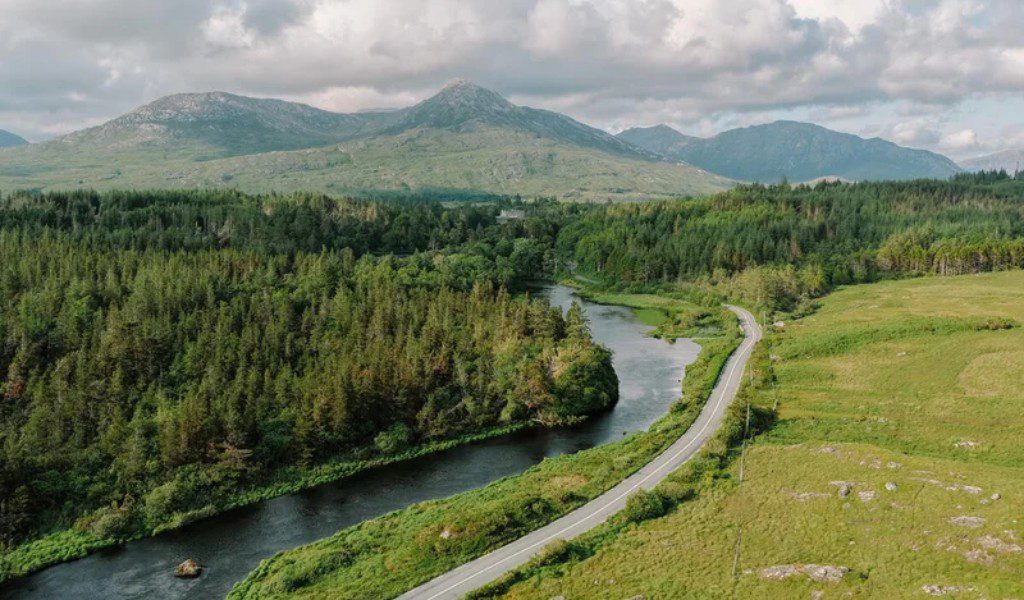
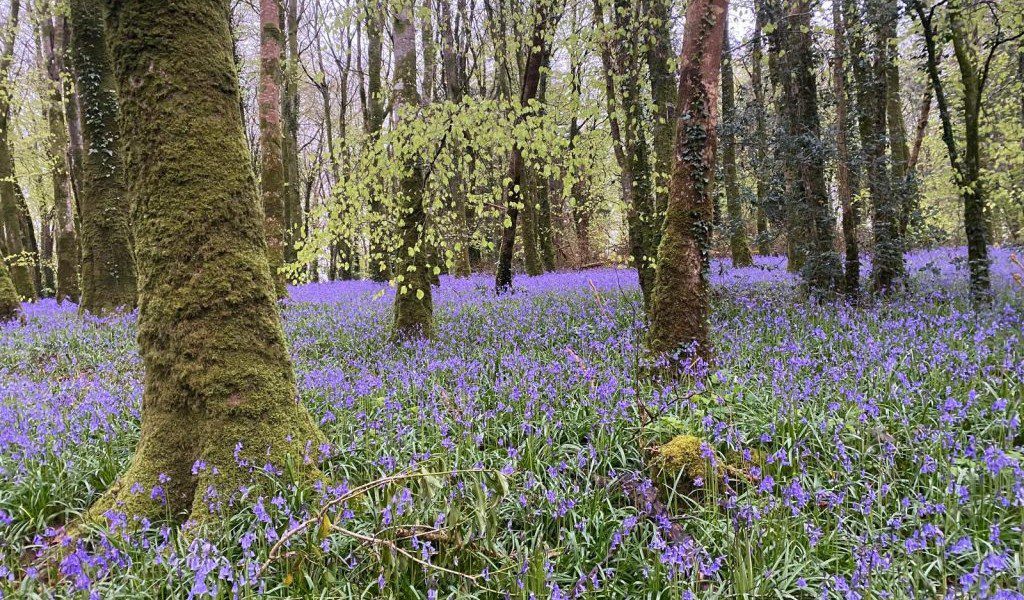
The Inagh Valley is one of the most beautiful glacial valleys in the country, between two mountain ranges, with the Maamturks to the East and The Twelve Bens to the West. While areas of the valley have been cultivated with Sitka-Spruce forest, one of the last remaining fragments of ancient oak forest still remains.
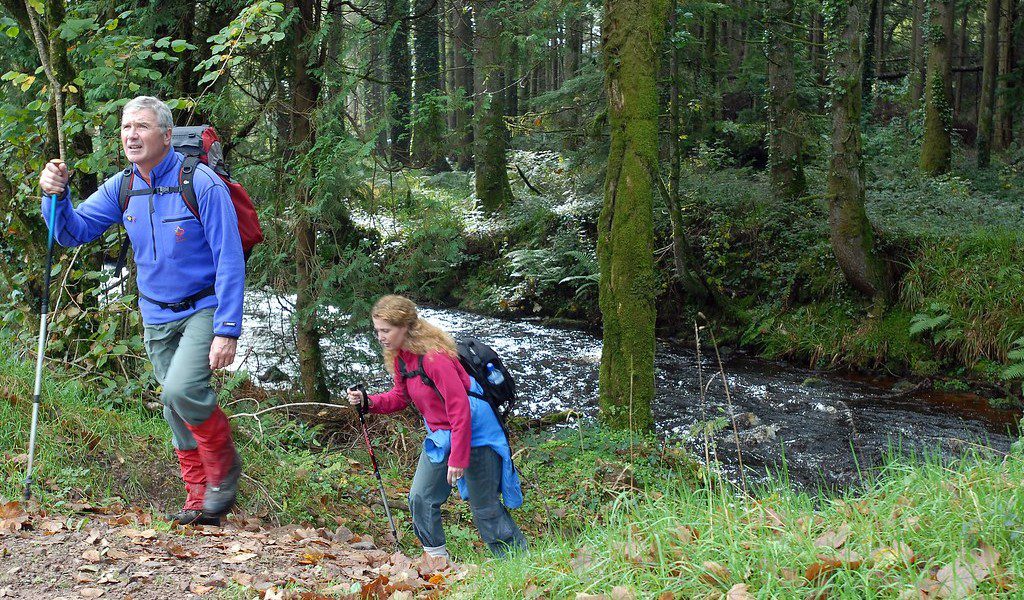
Walk the site, including the ancient native oak woodland, with Interface founder and artistic director Alannah Robins, who is heading up a forest regeneration project in the valley – the Interface Inagh Woodland Restoration Project. The visit will take in a comparison between the barren mono-cultural Sitka Spruce as well naturally regenerated areas, lake side and river-sidewalks.
Interface is a studio and residency programme, a place where art, ecology and community meet. A place for visual artists, dancers, writers and musicians, situated in the Inagh Valley, in the heart of Connemara. The not-for-profit organisation provides catalysing opportunities for artists to explore intersections between scientific research and art.
The studio is located in a former salmon hatchery, built in the late 1980s. Scott Tallon Walker architects were commissioned by Carrolls’ cigarette company to design the biggest, most advanced salmon hatchery in the world. The company ran a fully automated, computer-controlled hatchery and supplied offshore salmon farmers with smolt via helicopter.
The hatchery building is surrounded by 37 acres of Sitka-Spruce forest. Interface, together with the landowner Derryclare Aqua, have undertaken to restore this barren, monocultural forest to native woodland, with a preference for continuous cover. This work is taking place slowly, by hand. Some areas are being allowed to self-restore, assisted with protection against grazing by deer. In other areas, native saplings and hedgerows are being planted.
Interface has initiated several projects in which artistic interventions reflect on this exciting project and the ecological change. It is envisaged that the projects will evolve with the gradually changing evolution of the ecology and the healing of the land.
Tea and coffee included, wellies & rain gear provided.
All profits from these experiences go directly back into the Interface Inagh Woodland Restoration Project